
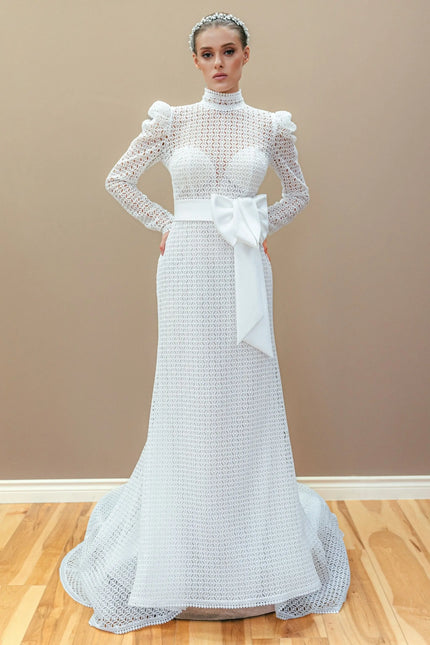
The perfect made-to-measure bridal gowns start with precise body checks. Tailors pull together custom sketches, rich fabrics, and fresh pattern work. You will go through a few fittings along the way. That whole setup focuses directly on your body shape not some random factory dress size. Every tiny detail shapes your final look. We are talking necklines, waist cutouts, sleeves, and skirt volume. The main goal? Giving you a dress that feels ridiculously comfortable, looks crisp, and totally matches your vibe.
Your very first consultation kicks off with a simple chat. What do you actually want to wear down the aisle? Dreaming of a soft, romantic look? Maybe you want clean modern vibes, or high-octane drama instead? Your answers set the whole direction long before tape measures come out.
This quick chat lets you spill all the important details. Speak up about your venue, the season, and how much room you need to move. Throw out your wild ideas for sleeves, trains, necklines, and fabrics too. This initial talk gives the designer a crystal-clear path to follow.
How Do Measurements Shape the Gown?
Real measurements sit at the heart of any solid custom dress. A design team measures your bust, waist, hips, and shoulders right away. They also watch how you stand and move around naturally. These extra checks help the dress hug your frame way better.
The fitting crew plans for real movement on your big day. Let's face it—you need to walk, sit, hug fifty people, and hit the dance floor. A structured bodice needs solid support. A flowing skirt needs room to swing. Nobody wants to spend their night fighting a tight sleeve!
Your numbers also drive major design decisions. Tailors can shift your waistline up or down for a killer shape. Adjusting a neckline totally changes how your shoulders look. Plus, adding or dropping skirt volume keeps things super comfortable.
How are Handcrafted Couture Wedding Gowns Designed for Your Body?
Crafting handcrafted couture wedding gowns always starts with a close look at your body type. From there, the tailor zeroes in on fit, structural bones, and overall aesthetic. Every single element works together to back up your look. Honestly, tiny tweaks make the biggest difference here.
Your waistline lands right where it flatters you most. The neckline frames your shoulders without any weird pulling. Your skirt brings the drama, a soft vibe, or sleek lines. These customized choices build a dress that feels uniquely yours.
Your fabric picks changes how the dress behaves, too. Heavy satin delivers a sleek, structured line. Delicate lace brings texture and rich detail. Airy tulle adds lightweight bounce. Picking the right textile keeps you looking gorgeous without feeling stuffed into a corset.
What Happens During the Design and Pattern Stage?
Once your chat wraps up, rough ideas turn into a real blueprint. The team drafts a base pattern using your exact numbers. Your picked silhouette and fabric guide every single cut. Each cut piece helps form the base layer of the gown.
Creating handcrafted couture wedding gowns takes crazy focus at this phase. Tailors check seam lines, internal boning, drape work, and fabric movement. Making tiny changes now boosts long-term comfort. Smart prep work guarantees the physical dress matches your vision board.
Want to ditch traditional white for a wild new shade? Tell your design crew early on. Giving them a heads-up helps with sourcing custom dyes and fabric rolls. That way, the team has plenty of runway to pull off your dream look.
Why Do Multiple Fittings Matter?
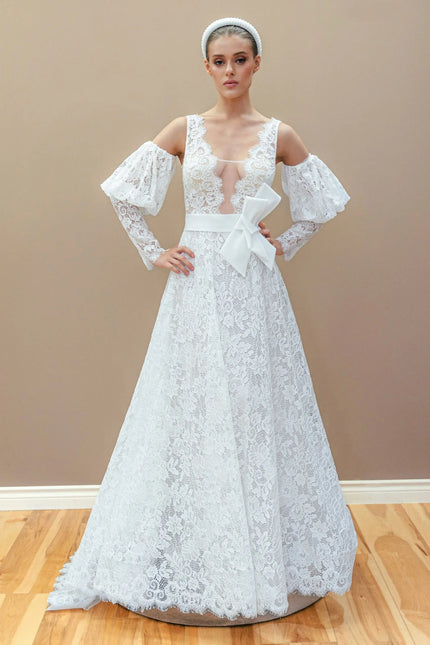
Fittings bring your dress to life step by step. Each appointment lets you check overall fit, length, support, and movement. The team double-checks your shoulders, waist, bust, hips, and bottom hem. Tiny tweaks make the whole thing feel totally natural.
Custom made-to-measure bridal gowns shift a bit as work progresses. A detail that looks amazing on paper might need a quick tweak in real life. Physical fittings let you test the dress on your actual body. Every stop brings your dress one step closer to done.
Use these visits to test out real-life movement. Sit down, walk around, and try spinning in your gown. You will spot spots that feel too tight or need extra support instantly. Fit and function get equal love here.
How Long Should the Bridal Gown Process Take?
Building a gown takes serious time for planning, stitching, and tweaks. If you are shopping for plus-sized bridal gowns and dresses, try ordering 9 to 15 months before the wedding. That window leaves tons of breathing room for chats and detailed handwork. It also saves stress when scheduling final fitting runs.
Wedding timelines get wild sometimes. A rushed date or short engagement can shrink your setup time fast. Rina’s Bridal can check your date and dig up quick turnaround options. Reach out early so the crew can lock in your deadline.
Good made-to-measure bridal gowns rely on realistic timelines. Detailed hand-sewn work simply needs extra construction time. Starting early gives you time to review every choice without panicking. That keeps the whole vibe calm and organized.
The Final Fitting Brings Everything Together
Your final fitting gives the finished dress one last check before the big day. Try it on with your actual shoes, jewelry, and veil. Double-check your skirt hem and general comfort levels. Tailors can make micro-adjustments right on the spot.
This appointment also teaches you how to handle the dress. You will learn how the back closures work and how to bustle a heavy train. Practice walking and sitting one more time. These quick checks stop annoying wedding-day surprises in their tracks.
Real handcrafted couture wedding gowns combine fine fabric, precise fit, and solid construction. Every single bride brings unique proportions and personal taste. A custom approach lets those personal details lead the way. Your final dress ends up looking polished, fitting comfortably, and matching your vision completely.
A Personal Process from First Consultation to Final Fitting.
Getting made-to-measure bridal gowns means trusting a process built around your exact measurements and personal style. You get to call the shots on silhouette, fabrics, details, and colors before anyone touches a pair of shears. Each fitting refines the shape and bumps up comfort. This approach gives your dress room to evolve organically.
You get total freedom to make smart edits at every stage. Drop a neckline, shift a waistline, or blow out a skirt with extra layers whenever you want. These tiny shifts upgrade the look and feel instantly. Careful planning makes every piece click into place.
Conclusion
Rina’s Bridal gives brides a front-row seat to Italian-inspired couture and customized bridal design through a focused consultation process. Come chat about your wedding vision, color picks, personal style, and fitting goals with our team. Planning matters big time for plus-sized bridal gowns and dresses, which usually need 9 to 15 months. Book an appointment today to start your plan!
Frequently Asked Questions
Q1. How Do Handcrafted Couture Wedding Gowns Create a Personal Fit?
Handcrafted couture wedding gowns create a personal fit through careful measurements, pattern work, fabric choices, and several fittings. Rina’s Bridal can guide the bride through each stage and review how the gown sits and moves. The process can improve comfort, support, and overall shape. Each fitting also allows small changes before the final gown is ready.
Q2. How Long Do Made-to-Measure Bridal Gowns Usually Take to Create?
Made-to-measure bridal gowns can take several months because the process includes consultation, measurements, design work, creation, and fittings. Rina’s Bridal can discuss the expected timeline based on the chosen style and required details. Brides planning plus-sized gowns or dresses should ideally allow 9 to 15 months. Starting early also provides more time for changes.
Q3. Can Handcrafted Couture Wedding Gowns Be Created in a Different Colour?
Handcrafted couture wedding gowns can reflect a bride's preferred colour when she shares her choice early in the process. Rina’s Bridal can discuss the desired shade and how it may work with the selected fabric and design. Early communication helps guide the planning process. The bride can then create a look that suits her wedding vision.
Q4. How Are Made-to-Measure Bridal Gowns Adjusted During Fittings?
Made-to-measure bridal gowns are adjusted during fittings by checking how the dress fits and moves on the bride's body. Rina’s Bridal can review the shoulders, bodice, waist, hips, and hem during each appointment. Small changes can improve comfort and shape. Each fitting helps move the gown closer to the intended final result.
Q5. What Fabrics Can Be Used for Handcrafted Couture Wedding Gowns?
Handcrafted couture wedding gowns can use satin, silk, lace, crepe, tulle, and other fabrics that suit the chosen design. Rina’s Bridal can discuss how each material may affect structure, movement, and texture. A firmer fabric can support a shaped design. A lighter fabric can create a softer and more flowing look.
Q6. Why Are Multiple Fittings Important for Made-to-Measure Bridal Gowns?
Made-to-measure bridal gowns benefit from multiple fittings because the dress develops over time and needs regular fit checks. Rina’s Bridal can review comfort, support, length, and movement during each appointment. Small adjustments can solve fit concerns before the final fitting. This process also helps the bride feel more comfortable in the completed gown.
Q7. When Should You Order Handcrafted Couture Wedding Gowns Before the Wedding?
Handcrafted couture wedding gowns should be planned well before the wedding because detailed work and repeated fittings need enough time. Rina’s Bridal can discuss the expected schedule based on the chosen design and wedding date. Brides ordering plus-sized gowns or dresses should ideally allow 9 to 15 months. Early planning also creates more time for important changes.